



Added: Oct 19, 2022
Last edited: Jan 17, 2025
Digital opportunities to enhance flexibility in use are also valued in facilitating the repurposing of buildings. A number of european initiatives embrace this approach by creating building material passports or a technology for recovering sand, gravel and cement from concrete.
Many high-income countries and regions like Europe are faced with an ageing demographic, plus a mature and in cases outdated housing stock. Around 4 out of every 10 houses in Europe were built before 1960, a time when building practices were poor by today’s standards. As a consequence, the construction sector is predominantly concerned with maintenance of the existing housing stock, having only incremental expansion prospects for new build. The priority is to sustain and preserve what is already made in this case the current building stock and boost its performance from the perspective of material reuse and energy efficiency.
Facilitating the repurposing of buildings places an important focus on the design and planning phase, including spatial planning, plus the securing of adequate financial means. Leveraging the possibilities of digital technology has merit, too, for example by creating building material passports following the Madaster example.
Better insights into material composition and processing options at end-of-use could also help optimise waste as a resource. Examples include innovations like the Smart Crusher, a technology for recovering sand, gravel and cement from concrete. Particularly relevant for the construction sector is the need for more collaboration across the supply chain to create shared value and resolve split incentives.
This ambition is to make and keep Europe’s urban areas as sustainable as possible, whilst the inevitable, but gradual, process of stock replacement delivers ever-better building standards.
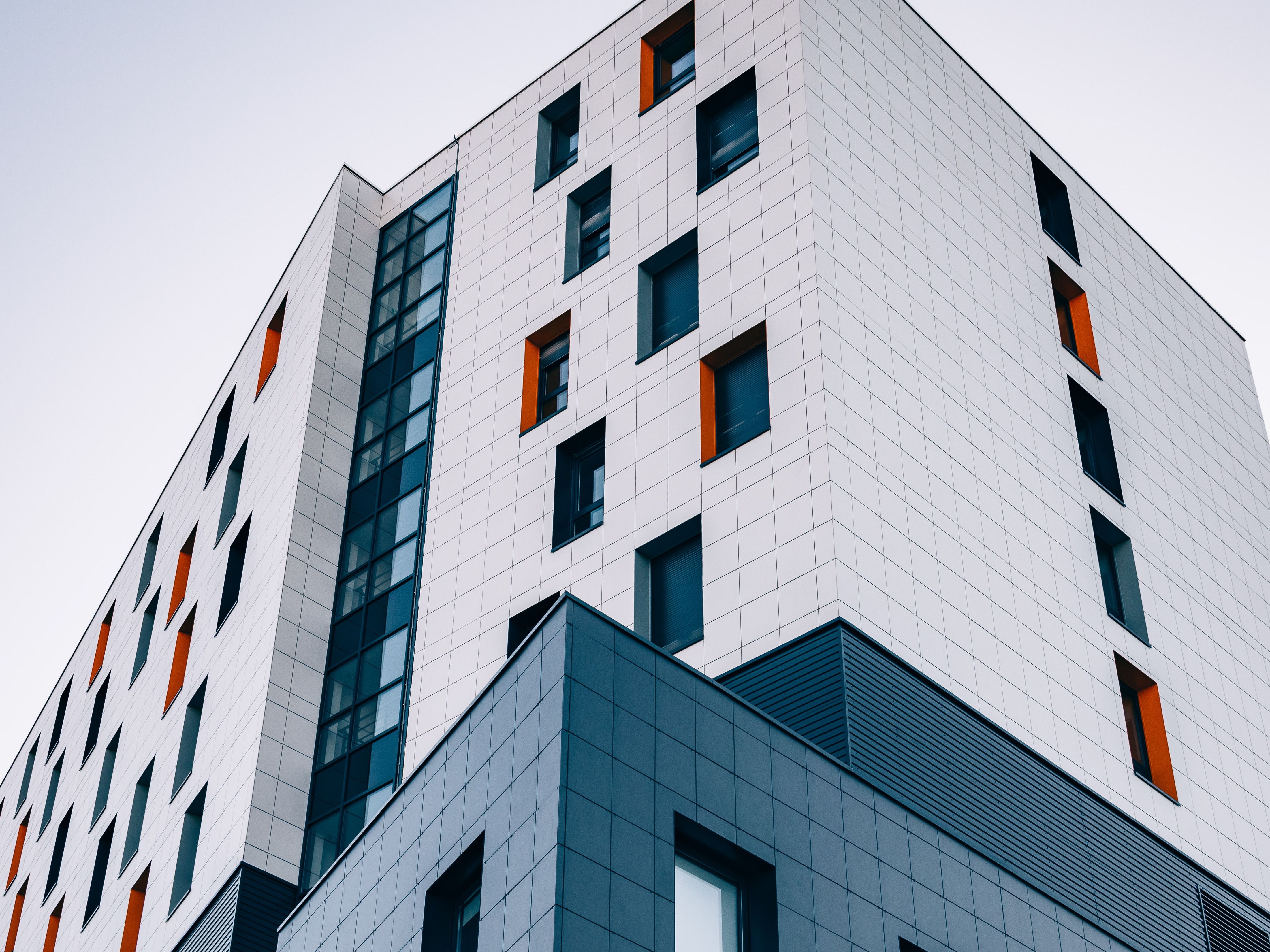
Photo by Howard Bouchevereau on Unsplash
Prioritise regenerative resources
Stretch the lifetime
Design for the future
Incorporate digital technology
Regenerative materials
Maximise lifetime of products after use
Design for cyclability
Data and insights
Reusable, recyclable materials and inputs
Part recovery
Design for reuse
Internet enabled, connected operations
Sensors, monitoring systems
Built Environment
concrete
Resource recovery
Digital technology