


Approved by curator


Added: Aug 21, 2021
Last edited: Sep 27, 2024
The better methods we use for the aftercare of our clothes, the longer our clothes will remain in best use. A circular textile economy needs to also focus on the aftercare of the clothing which seems to be an understudied field. Frequent use of detergents, soaps and dry cleaning can ruin the clothes in a short span of time without it achieving the optimum usage.
The process and the resources used in the manufacture of textiles widely influence the choice of processes to conserve it so that it lasts for a longer time. Indigenous cloth, produced locally using traditional techniques, have specific care methods due to which they are easily passed onto the next generations as heirlooms. These traditional textiles which are Handspun, Naturally Dyed and Handwoven can last for hundred years. They retain their original shape, strength and color because of the care expertise innovated by the indigenous people in their local ecosystem.
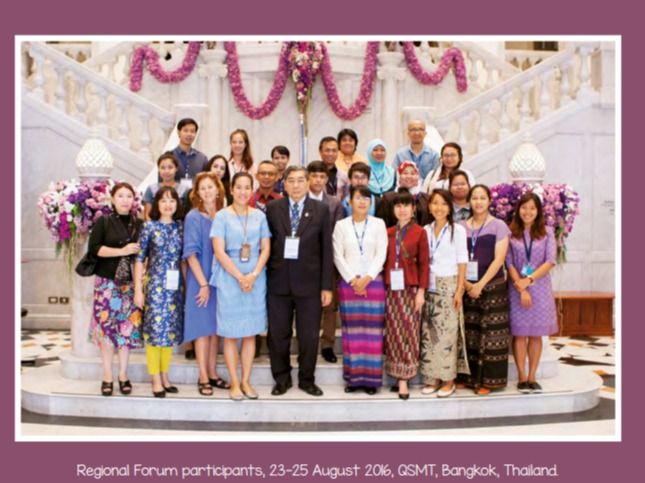
The research project entitled “Capturing and Sharing Traditional Methods in Textile Preservation in Southeast Asia” collected data which includes plant materials and methods for wet cleaning, dry cleaning, stain removal, insect mitigation, storage, and associated spiritual beliefs. A first study of its kind, it brought together a dynamic group of textile professionals, museum experts, conservators, historians, scientists, and anthropologists, eager to research, chronicle and learn more about their own national and indigenous practices – before the knowledge is lost. Traditional methods and associated plants used in the preservation of textiles were documented in ten Southeast Asian countries through field interviews and research, and then compiled drawing from diverse fields of practice. The study also outlines how such practices can be adopted by the modern textile care industry.
Clothing care accounts for around 30 per cent of a garment’s total carbon footprint. Care method for the textiles reflect how long a textile can be put to use in its best quality. It is important to choose the best care method for the type of textile you own for maximum usage. Clothes end up in landfill way before they should be because they were not stored or cleaned properly. The clothes become faded or get shrunk due to over-washing. Textile washing is thought to account for as much as 35 percent of primary microplastics in our oceans.
Globally, the way we wash and dry our clothes and the regularity at which we do so is thought to account for an enormous 120 million tonnes of CO2, explains W’air. Frequent dry cleaning is another harmful practice. Today, all textile preservation practices include chemical-based methods.
Southeast Asian traditional textiles are world renowned and valued as expressions of cultural identity, from the weaving and dyeing processes to the symbolism of their aesthetics and uses. However, local knowledge and actual methods to preserve such organic material is an under-studied field.
Following the joint “Training Workshop on Contrasting Textile Conservation Methods in Southeast Asia” between SEAMEO SPAFA and Queen Sirikit Museum of Textiles in November 2012, it was apparent that there are many traditional procedures and materials used in textile conservation for cleaning, storing, and pest mitigation or control. However, not much has been done thus far to gather traditional know-how and beliefs in the region.
By working with the aftercare industry, brands can educate their design teams to offer consumers lower impact choices, says Turner, of Eco-Age. But consumers also need to keep sustainability in mind as they shop. Turner recommends unblended, natural fibres that do not require tumble drying or ironing such as linen and wool. Avoiding synthetics can also help minimise the number of microplastics released during washing.
Brands, detergent manufacturers, designers, artisans, makers and the communities need to work together and learn from each other's experience and knowledge to focus on increasing the garments lifespan and come up with feasible and sustainable solutions together. It is important to understand what products or processes to use for storing, cleaning and pest control.
“Our Ancestors Knew Best: Traditional Southeast Asian Textile Treatments and their Place in Modern Conservation”, produced by SEAMEO SPAFA with the support of the Queen Sirikit Museum of Textiles (QSMT) compiles and honours the invaluable indigenous practices for the care of textiles. These care methodologies are cost effective, locally available and ecologically beneficial for the environment and people's health. 20 local researchers and practitioners documented indigenous knowledge between 2016 and 2018. The research presented the benefits of soapnut, rinsed rice/coconut water, rice stalk/coconut palm front ash, betel leaf, tea, butterfly pea and toddy palm leaf basketry among the 62 plants identified for textile treatment.
Such collaborative studies on people, heritage, indigenous knowledge and landscape will facilitate sharing of knowledge and innovative solutions among the different communities of experts from diverse geographical regions. Indigenous communities who have been the guardians of nature have gathered an invaluable knowledge to live in harmony with nature. All their traditional practices are defined by their aim of preserving nature by sustainably using it.
Can this study be an inspiration to know the ancestral knowledge in our geographical region and ethically use it to transform the textiles aftercare industry into a circular one? Each region has its own biological resources and the textile processing methods need to be adopted accordingly. Advances in technology and indigenous knowledge, if ethically collaborated, can solve the harmful impacts of the fashion industry.
SPAFA SESH #8 was a collaboration between SEAMEO SPAFA and UCLA’s Engaged Scholarship in the Asia-Pacific.
The work, data and research presented in the book “Our Ancestors Knew Best: Traditional Southeast Asian Textile Treatments and their Place in Modern Conservation” are the results of a collaborative project between the Southeast Asian Ministers of Education Organization Regional Centre for Archaeology and Fine Arts (SEAMEO SPAFA) and the Queen Sirikit Museum of Textiles (QSMT), entitled “Capturing and Sharing Traditional Methods in Textile Preservation in Southeast Asia”. Their quest was to record ancient wisdom about Mother Earth’s natural cleaning agents to use as cost-effective and environmentally friendly modern solutions.
Case study submitted to the platform as part of the World Circular Textiles Day Collection.
Prioritise regenerative resources
Stretch the lifetime
Community collaboration
Product maintenance, repair
Preservation, conservation
Strengthen and advance knowledge
circular textiles
fashion and textiles
Education/Research
natural fibre
indigenous design system and collaboration
Indigenous knowledge
textiles aftercare
Traditional methods
textile preservation
indigenous communities
traditional textiles
natural resources