


Approved by curator



Added: Aug 10, 2022
Last edited: Dec 28, 2023
The New Denim Project is the newest and most innovative line of products from Iris Textiles, a third-generation family-owned textile manufacturer and wholesaler operating in Guatemala since 1956. The New Denim Project creates 100% sustainable yarns, fabrics, and products created from pre-consumer denim waste. These scraps are deconstructed back into fiber, spun into new threads, and then woven.
A quarter of the chemicals produced in the world are used in textiles. The unsafe use of agrochemicals has serious impacts on the health of farm workers and on the ecosystems that receive excessive doses of runoff from the farms. Textile production is recognized as discharging large volumes of water containing hazardous chemicals into the environment. Around 20% of industrial water pollution worldwide is attributable to the dyeing and treatment of textiles.
The New Denim Project has a chemical and dye-free production process and uses a minimum of water and energy. They do not add synthetic fibers (such as polyester, nylon, acrylic, etc.) and are committed to creating 100% natural and compostable products. The primary source of its raw material comes from the cutting tables of denim factories. They collect that waste, grind it into a fiber, and re-spin it into a wide variety of yarns. The cottonseed and cotton fibers left over from the upcycling process are passed on to the coffee growers. The fibers are mixed with coffee pulp, manure, wood, and more to create compost that is used to nourish their fields.
The New Denim Project, with its closed-loop process, has prevented 834,474 pounds of textile waste from going to waste in just one year. According to The New Denim Project, for every kilogram of waste used, up to 20,000 liters of water are saved and for every ton of textile that is recycled, 20 tons of CO2 are prevented from entering the atmosphere, greatly minimizing the consumption of new virgin raw materials.
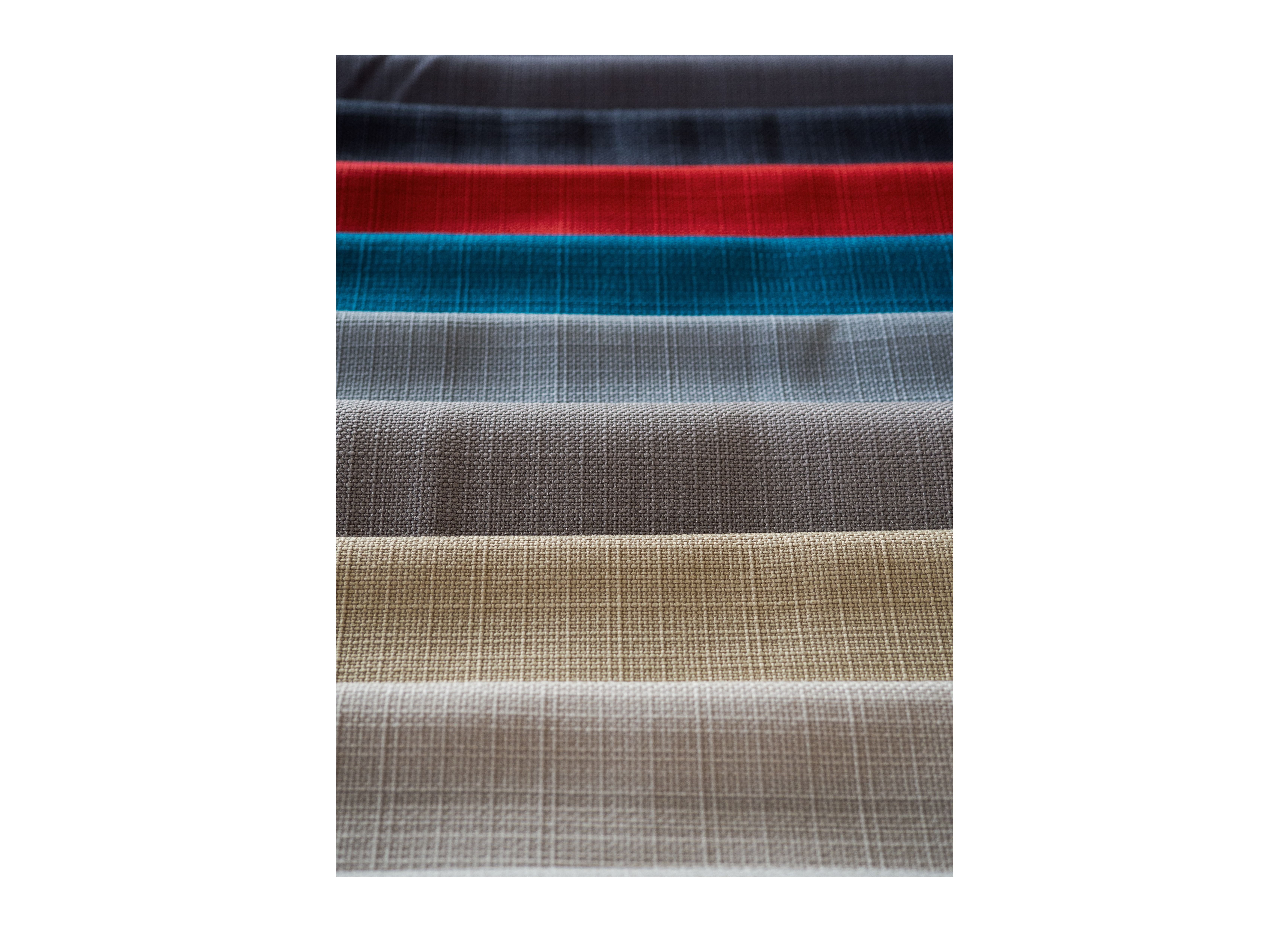
Photo by: Vitalijs Barilo on Unsplash

Ecological Impact
Economic Impact
Productivity
Innovation
Reduce Emissions (SDG13)
Reduce Material Consumption (SDG12)
Minimise Waste (SDG12)
Save Water (SDG6)
circular textiles
closed loop
upcycling
textile future
recycable fiber
textile recycling
cotton
wastemanagement
recycling yard
product and process innovation