



Added: Jul 31, 2022
Last edited: Aug 10, 2022
ALT TEX is a Toronto-based startup that designs sustainable, biodegradable, and carbon-neutral fabrics for the fashion industry. Through its closed-loop model, it is redesigning food waste into biodegradable fabrics intended to replace polyester.
Polyester, a popular fabric in everyday clothing, is made from microplastics. Microplastics account for between 15 and 31 percent of marine plastic pollution. Polyester manufacturing uses 55 million barrels of oil per year and is a major contributor to 10% of the GHG emissions generated by the industry. A major problem in today's fashion industry is that most textiles are blended with synthetic and non-renewable fiber polyester, making them non-recyclable.
The company aims to commercialize a polyester-like material made from re-engineered food waste to improve sustainability in the fashion industry. Although recycled polyester is available in the market, there is a point after one or two rounds of reuse when polyester cannot be further recycled and ends up in a landfill. By recycling food waste, itself a major contributor to the climate crisis. ALT TEX is looking to solve two major environmental problems with a single product.
As a company, ALT TEX is very committed to the research and development process to create biodegradable fabrics. The team is careful in prototyping to ensure that their alternative to polyester becomes a durable solution and eventually a global industry standard. It is estimated that a t-shirt created with ALT TEX fabric "diverts one kilogram of food waste from landfills and can divert up to nine kilograms of carbon emissions from the atmosphere".
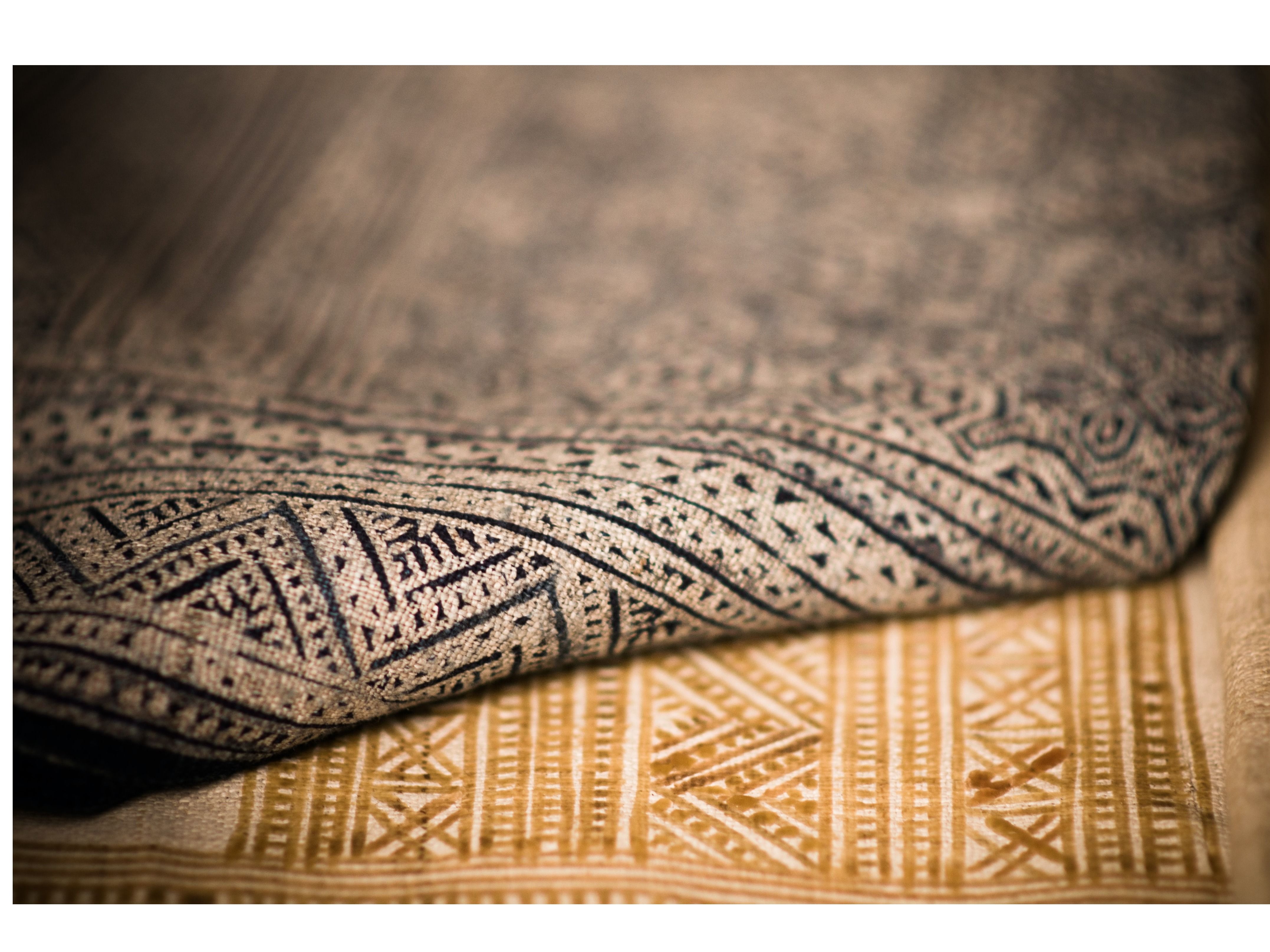
Photo by Trang Nguyen on Unsplash
Prioritise regenerative resources
Design for the future
Regenerative materials
Valorise waste streams - closed loop
Design out waste
Alternative bio-based materials and inputs
Using closed loop recycled materials
Design for minimal waste
Ecological Impact
Social Impact
Increase Awareness
Reduce Emissions (SDG13)
Reduce Material Consumption (SDG12)
Minimise Waste (SDG12)
Save Water (SDG6)
fashion and textiles
waste management
textile future
textile fibre
textile waste management
textile innovations
Biotecnology